Oliver Corkhill is the CEO of Leo Trippi and a former ski instructor with years of experience both on and off the slopes. Having trained skiers of all levels across Europe’s leading resorts, he brings deep insight into what it takes to perform confidently in the mountains. Combining a passion for luxury travel with a lifelong connection to skiing, Oliver offers a unique perspective on preparing your body for the demands of the sport.
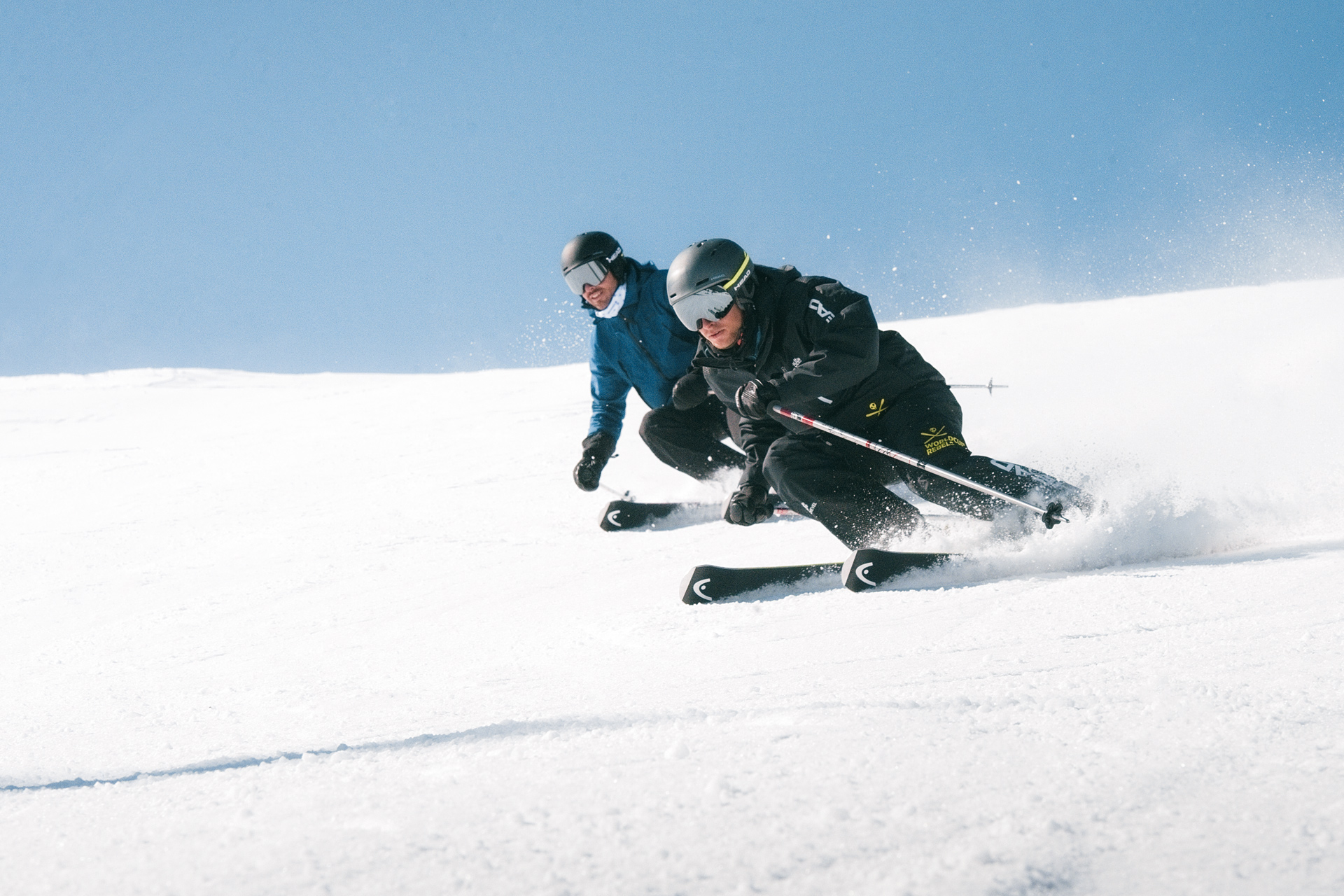
How to Train for Skiing with the Best Pre-Season Workouts
Former ski instructor Oliver Corkhill shares his expert ski fitness programme to help you train for skiing effectively.

Prepare for your next ski holiday with this expert-led fitness guide by former ski instructor Oliver Corkhill, featuring the best ski workouts for strength, balance, and endurance.
Why Ski Fitness Matters
Whether you're carving through powder in Verbier or tackling couloirs in Val d’Isère, skiing demands strength, stability, and stamina. While the sport is exhilarating, it’s also physically demanding, especially when enjoyed to its fullest across long days on the mountain.
Investing in a ski fitness programme before your trip can elevate your experience dramatically. Not only will it improve your endurance and power, but it can also reduce the risk of common ski injuries and ensure faster recovery. For guests of Leo Trippi, a well-executed ski fitness workout means more time on the slopes and more energy to enjoy everything from après-ski to chalet spa treatments.
How to Train for Skiing in the Off Season
The ideal time to begin ski fitness training is 6 to 8 weeks before your holiday. This gives your body time to adapt and build strength gradually, helping you avoid injuries and fatigue once you're on snow.
A focused pre ski season workout should target all the key areas used in skiing: legs, core, balance, and cardiovascular endurance. If you're skiing regularly or taking on challenging terrain, training during the off season can make the difference between a strong, confident descent and sore legs after the first day.
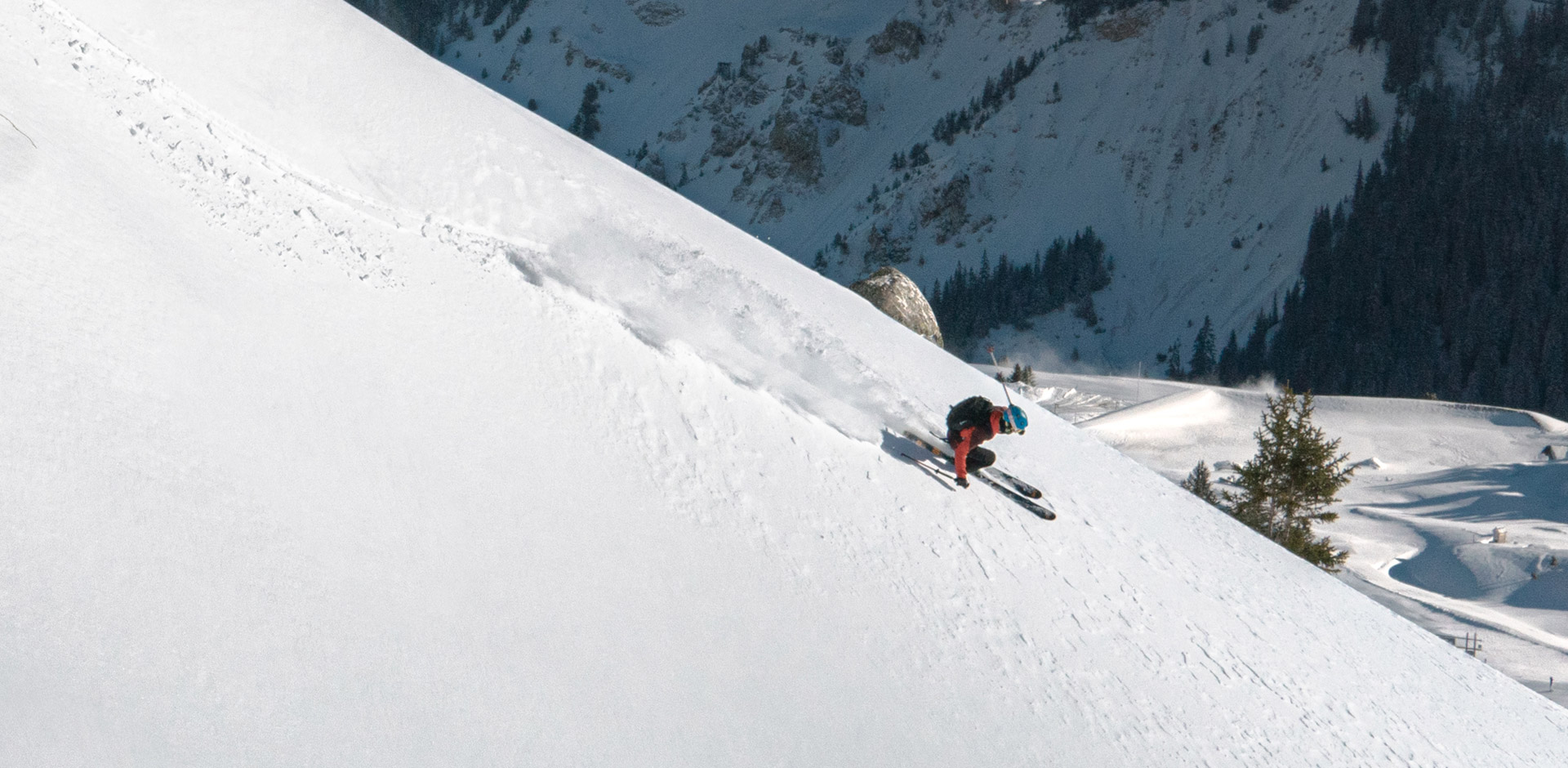
Best Exercises for Ski Fitness
To truly prepare for skiing, your fitness routine should be varied and intentional. Below are the best exercises for ski fitness, organised into key areas of focus:
1. Ski Strength Training
Your legs do the majority of the work on the slopes, absorbing shock and controlling turns. Strong leg muscles improve technique and reduce fatigue.
Recommended Exercises:
- Squats (bodyweight or weighted)
- Walking lunges
- Bulgarian split squats
- Step-ups with weights
- Romanian deadlifts
These movements focus on the glutes, quads, hamstrings, and calves - critical muscles for skiing.
2. Cardiovascular Conditioning
Skiing at altitude challenges even the fittest individuals. Cardio training prepares your body for long runs and high-energy days on the slopes.
Try These:
- Interval sprints or HIIT
- Hill running or stair climbs
- Rowing machine
- Spin sessions or cycling
Aim for 30–45 minutes of cardio, 3–4 times a week. This kind of ski fitness workout enhances stamina while improving recovery time between runs.
3. Core Stability & Balance
Your core is the anchor of your skiing technique, responsible for balance, posture, and rotational control. It’s essential for carving, stability, and recovery.
Top Core Exercises:
- Forearm planks (with leg lifts for challenge)
- Russian twists with a medicine ball
- Stability ball rollouts
- Side planks and leg raises
Incorporate exercises on wobble boards or BOSU balls to improve balance and proprioception, key for navigating uneven terrain.
4. Mobility & Flexibility
Mobility and flexibility help prevent injury and allow for smoother movement patterns on the slopes. They’re also key to recovering faster between ski days.
Include:
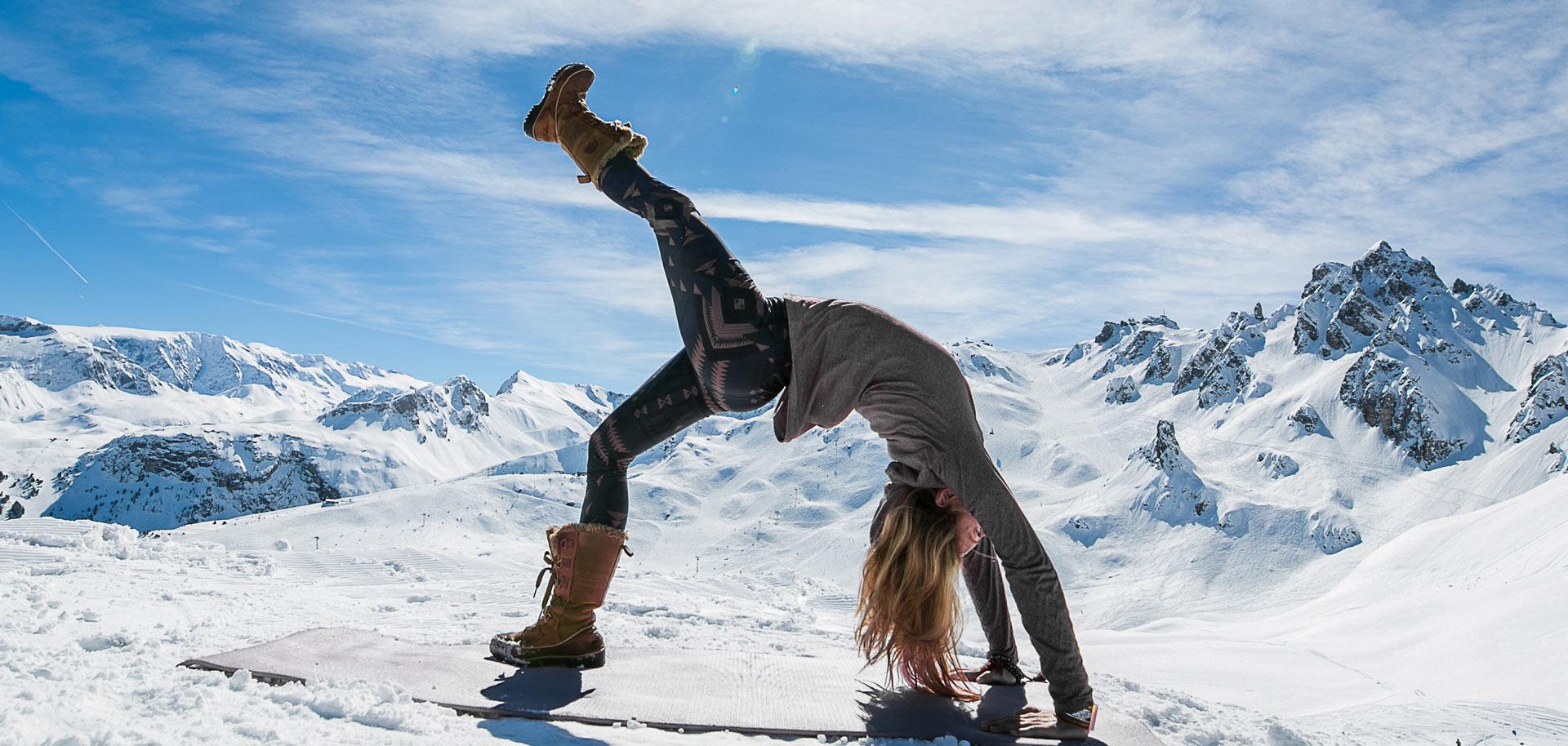
- Yoga (focus on hips, hamstrings, spine)
- Dynamic warm-ups pre-exercise
- Foam rolling and stretching post-workout
A supple, mobile body performs better and feels better after a full day skiing.
Additional Tips for Ski Fitness Success
- Stay consistent: Three to five sessions a week yields the best results.
- Focus on form: Correct technique reduces injury risk.
- Hydrate and fuel well: Nutrition supports endurance and recovery.
- Sleep & recover: Muscles grow and repair during rest - vital for strength gains.
- Consider a trainer: A personal trainer or physiotherapist can create a bespoke ski training program, particularly helpful if you're recovering from injury.
Keeping Fit While Travelling
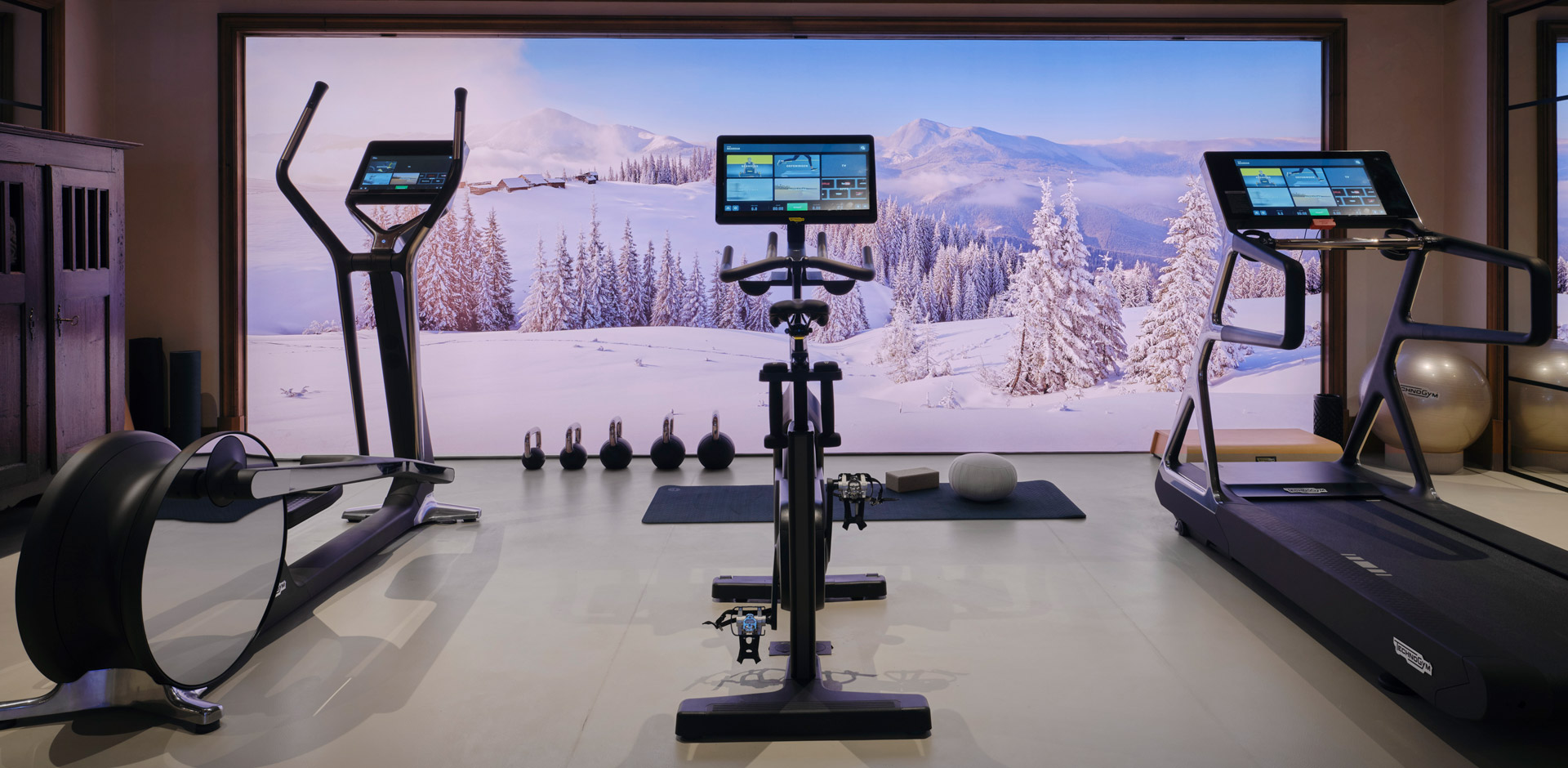
Many of Leo Trippi’s chalets offer state-of-the-art gyms, yoga studios, and spa facilities so you can continue your routine throughout your ski holiday. Our concierge team can also arrange:
- Private yoga instructors
- Ski-specific personal trainers
- Sports massage therapists
From a morning mobility session on the terrace to an evening soak in the hot tub, maintaining your wellness while away has never been easier.
Summary:
A well-rounded ski training workout can transform your performance on the slopes. Whether you're a seasoned heliskier or returning to skiing after a break, preparing your body is the best way to get the most from your time in the mountains.
Let Leo Trippi take care of the rest, from luxury accommodation to post-ski recovery and concierge wellness services. All that’s left is for you to arrive in your best shape ready to enjoy every run.
Take to the slopes and test out your fitness from a private luxury chalet.
Related Posts
Read all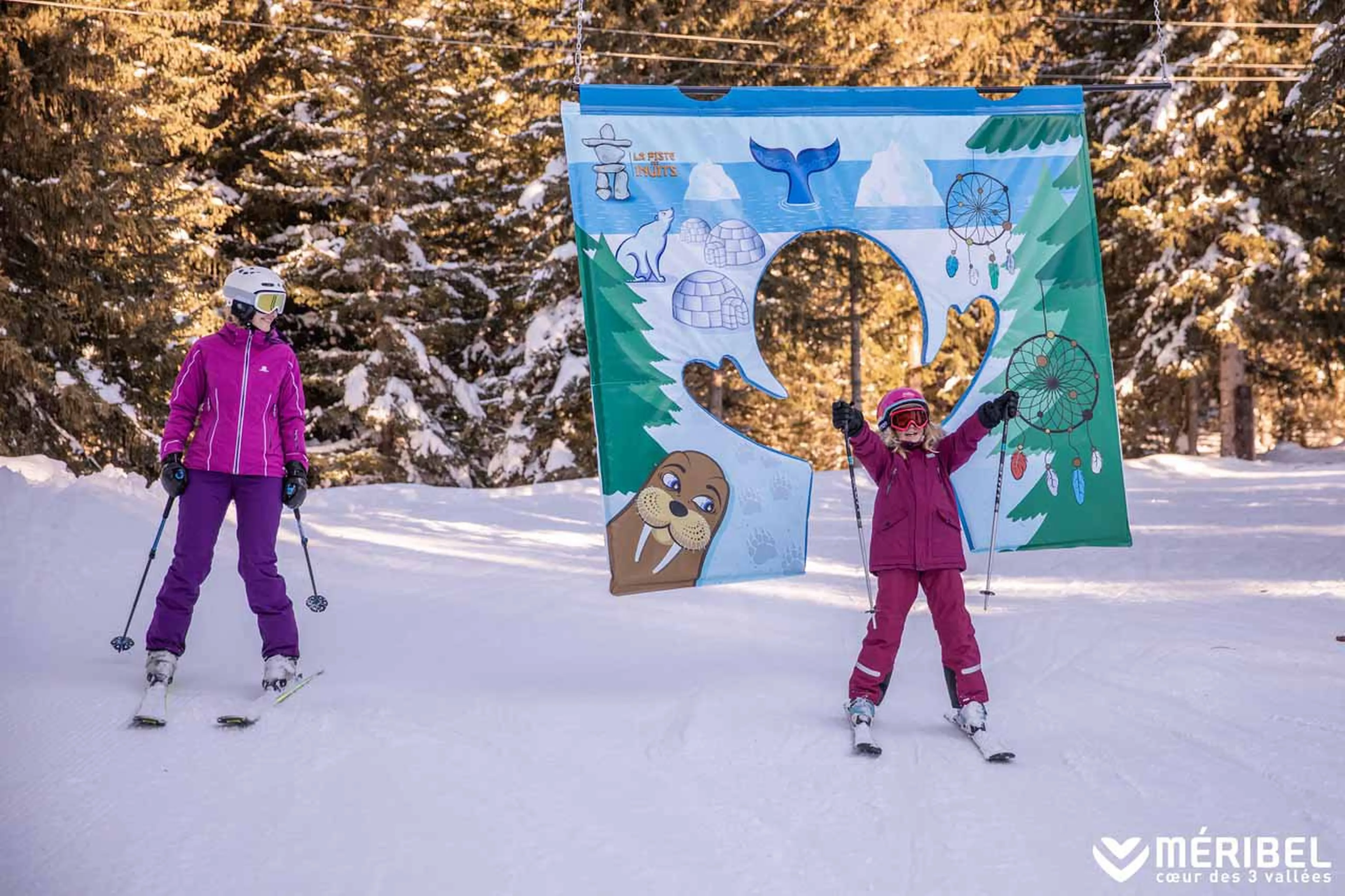
Top Tips for Beginner Skiers
It can feel daunting learning a new sport, but with the guidance of experienced instructors and the right equipment, it is never too late to strap on a pair of skis and head down the slopes. Discover the Alps and make the most of your first skiing experience with our top tips for beginner skiers.
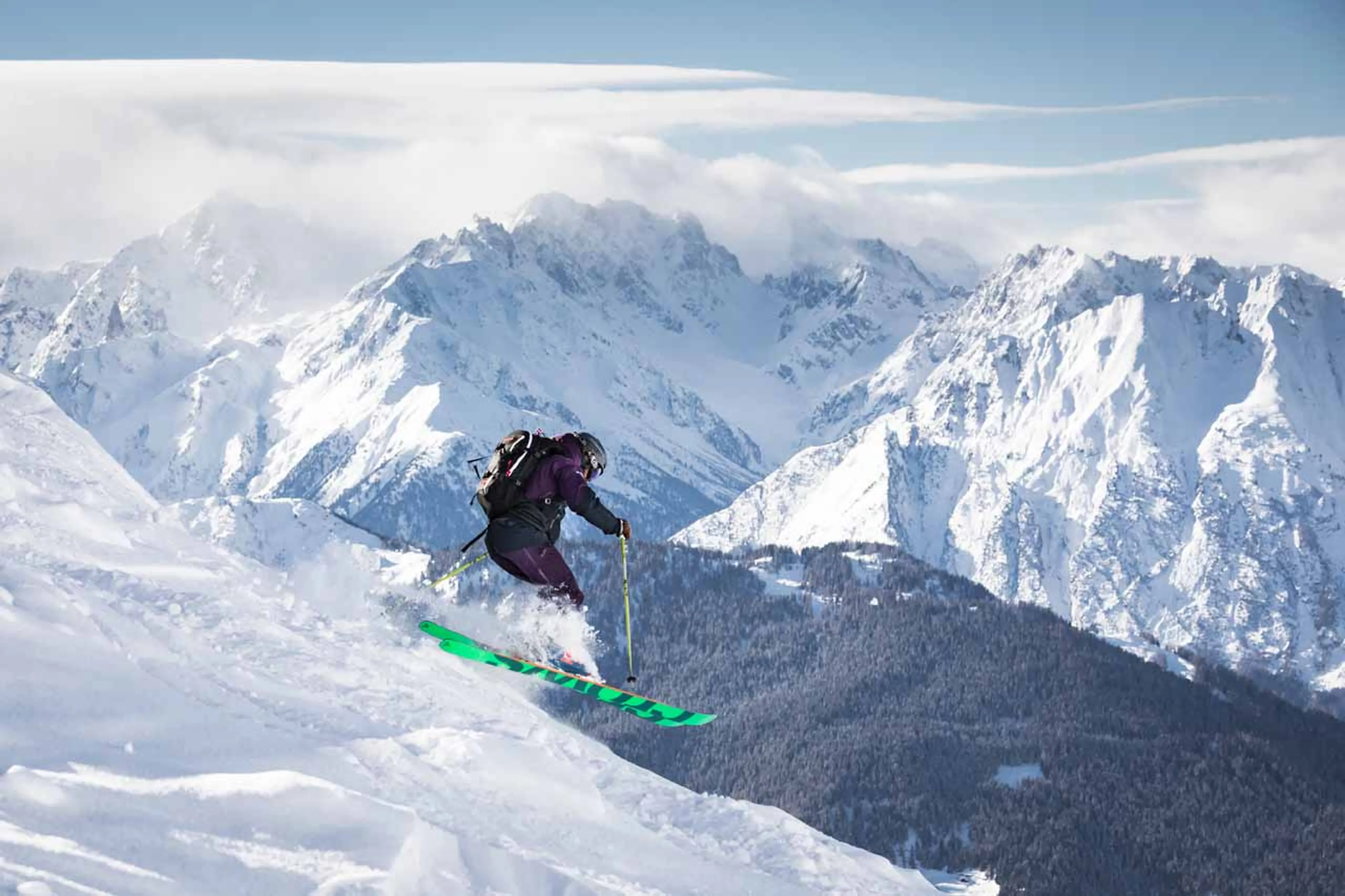
Introduction to Skiing Off-Piste
Element Ski School in Verbier are renowned for their private off-piste lessons, with a team of experienced off-piste coaches who know the resort inside-out. They have therefore provided us with a few important tips to help maximise your experience in the backcountry, ensuring you have one of the best days on the mountain.
FAQs
What is the best way to train for skiing?
A combination of leg strength, core stability, cardio, and mobility work, performed consistently 6–8 weeks before your trip.
How do I train my legs for skiing?
Use exercises like squats, lunges, and step-ups to target the major muscle groups used in skiing.
When should I start a ski fitness workout plan?
Ideally, 6–8 weeks before your ski holiday, although even a few weeks of training can make a difference.
Do I need to follow a ski fitness program if I’m a beginner?
Yes, beginners benefit hugely from a basic level of fitness, which improves confidence and reduces fatigue on the slopes.
Can I train for skiing at home?
Absolutely. Most ski fitness workouts can be done with minimal equipment, though weights or resistance bands are helpful.