Exit menu

Top Tips for Skiing Off Piste

Discover the backcountry with our top tips for off-piste skiing

Alicia Bryan

Alicia Bryan

Published:

Last update:

Category:Advice

Off-piste skiing, also known as backcountry skiing or freeriding refers to skiing in areas that have not been piste bashed or groomed. Off-piste skiing often takes place in unsupervised locations outside the ski resort boundaries, with no signs to show you in which direction you must descend. When skiing off-piste, careful planning is needed in order to follow a safe and suitable route, avoiding cliff edges and crevasses, as well as facing deep snow, steep slopes and narrow chutes.

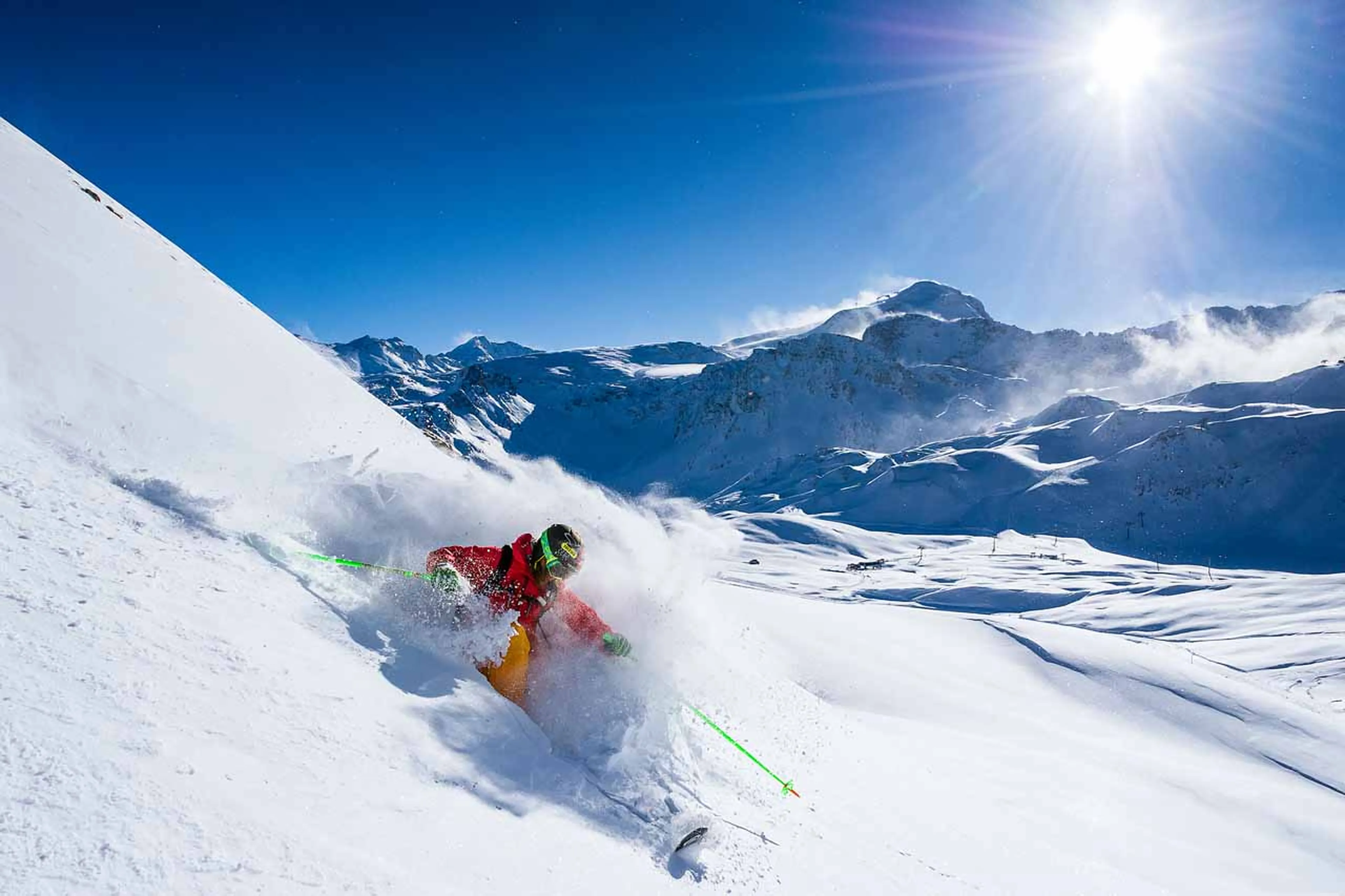
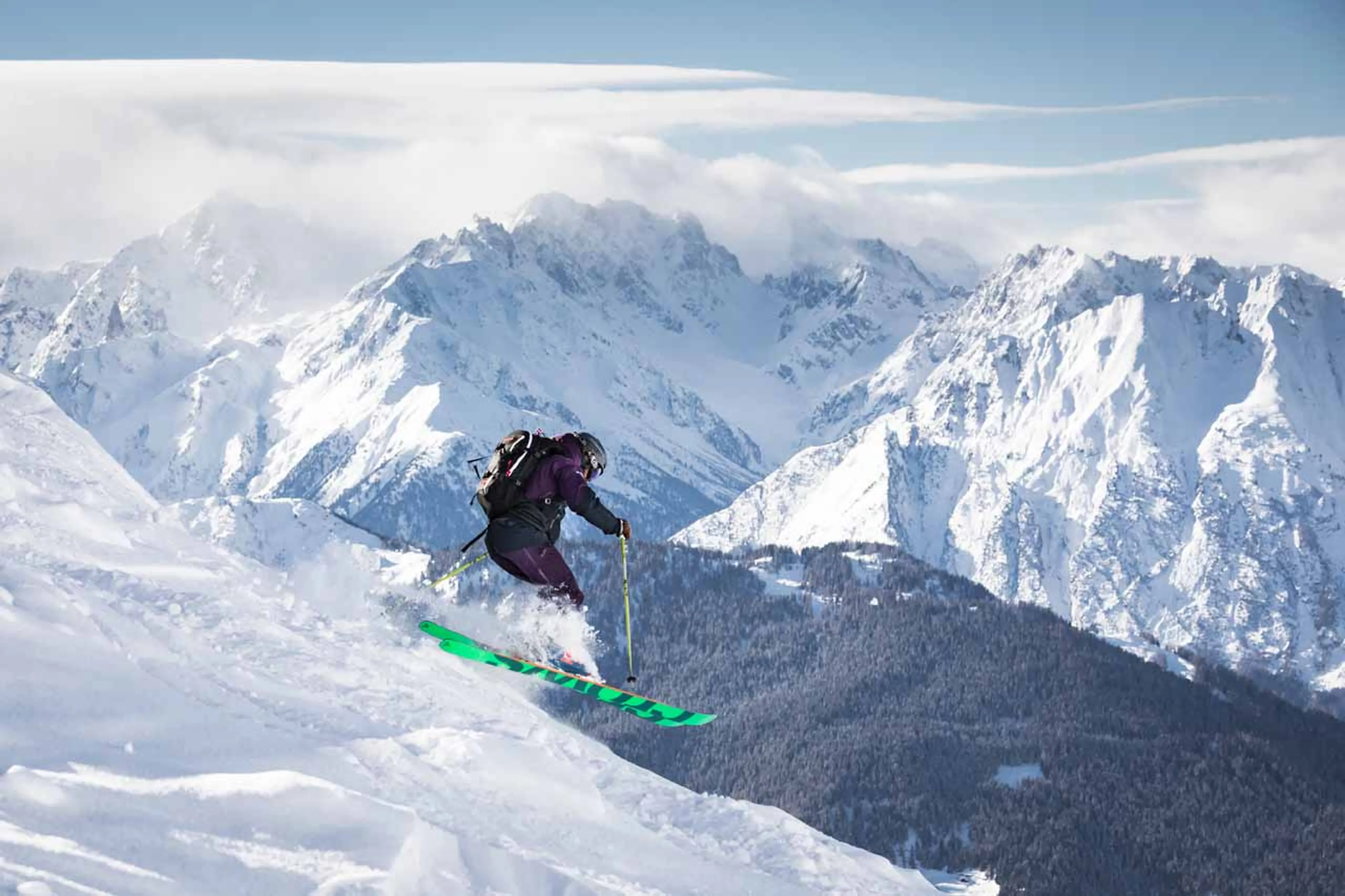
Off-piste skiing in Tignes
Andy Parant

1. Hone your technique

When it comes to off-piste skiing, you are likely to experience many snow conditions, so confidence and persistence is key. Keep centred on your skis to maintain your balance applying equal weight on the toes and heels. Maintaining a steady rhythm is important when exploring the backcountry and pole planting is the key to helping you keep a consistent rhythm whilst improving your stance.

When faced with narrow sections of off-piste such as chutes and gullies, you might not be able to turn over a long area, which is where hop turns are useful. Get low on your skis and pivot them as you jump to turn; this technique will enable you to make a 45 to 50-degree turn no matter what the gradient is.

Finally, when skiing off-piste, don’t be afraid of speed, if you ski too slow you might just find yourself fighting against the deep powder while speed will facilitate turning and help your skis reach the surface of the snow.

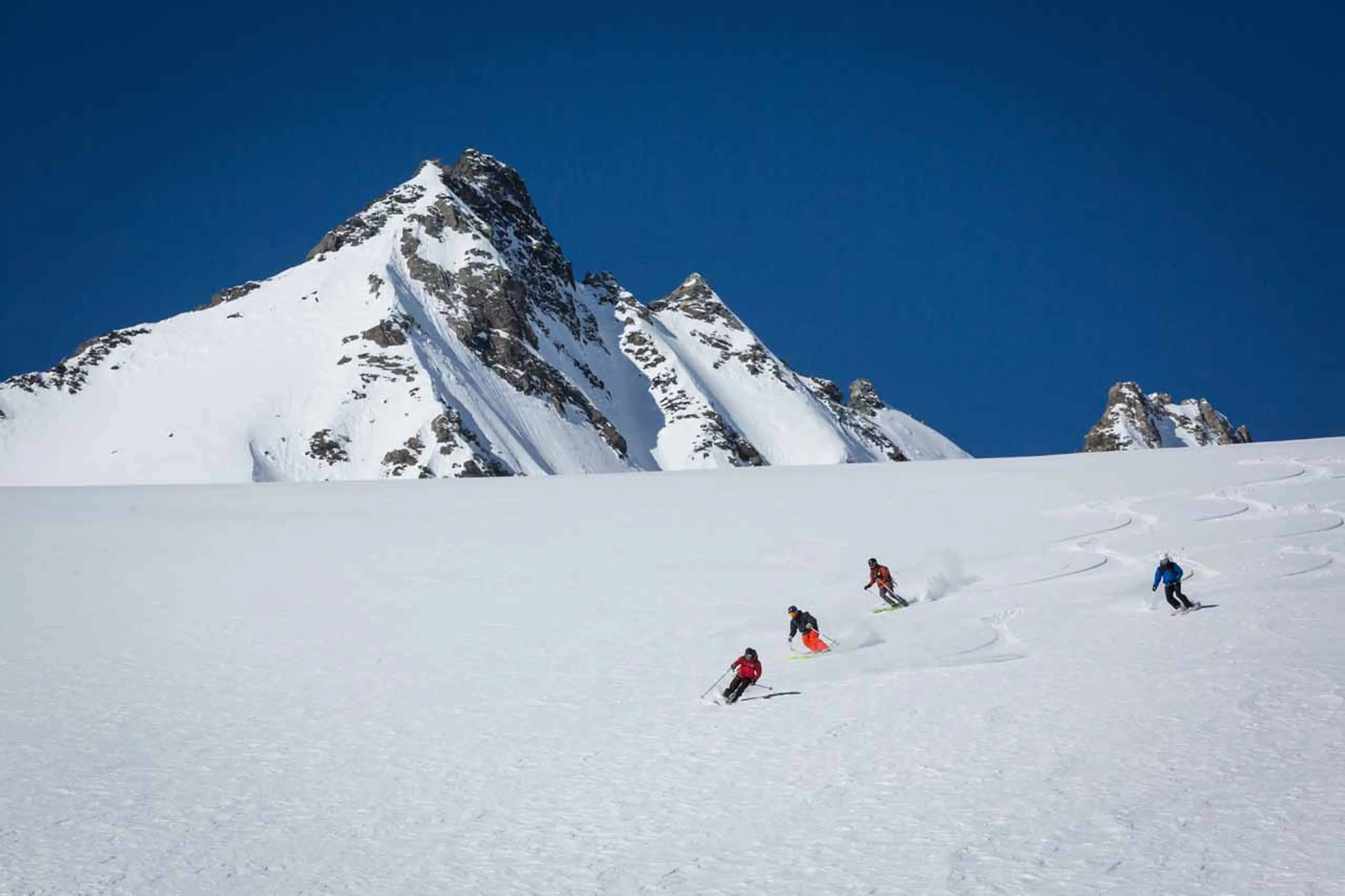
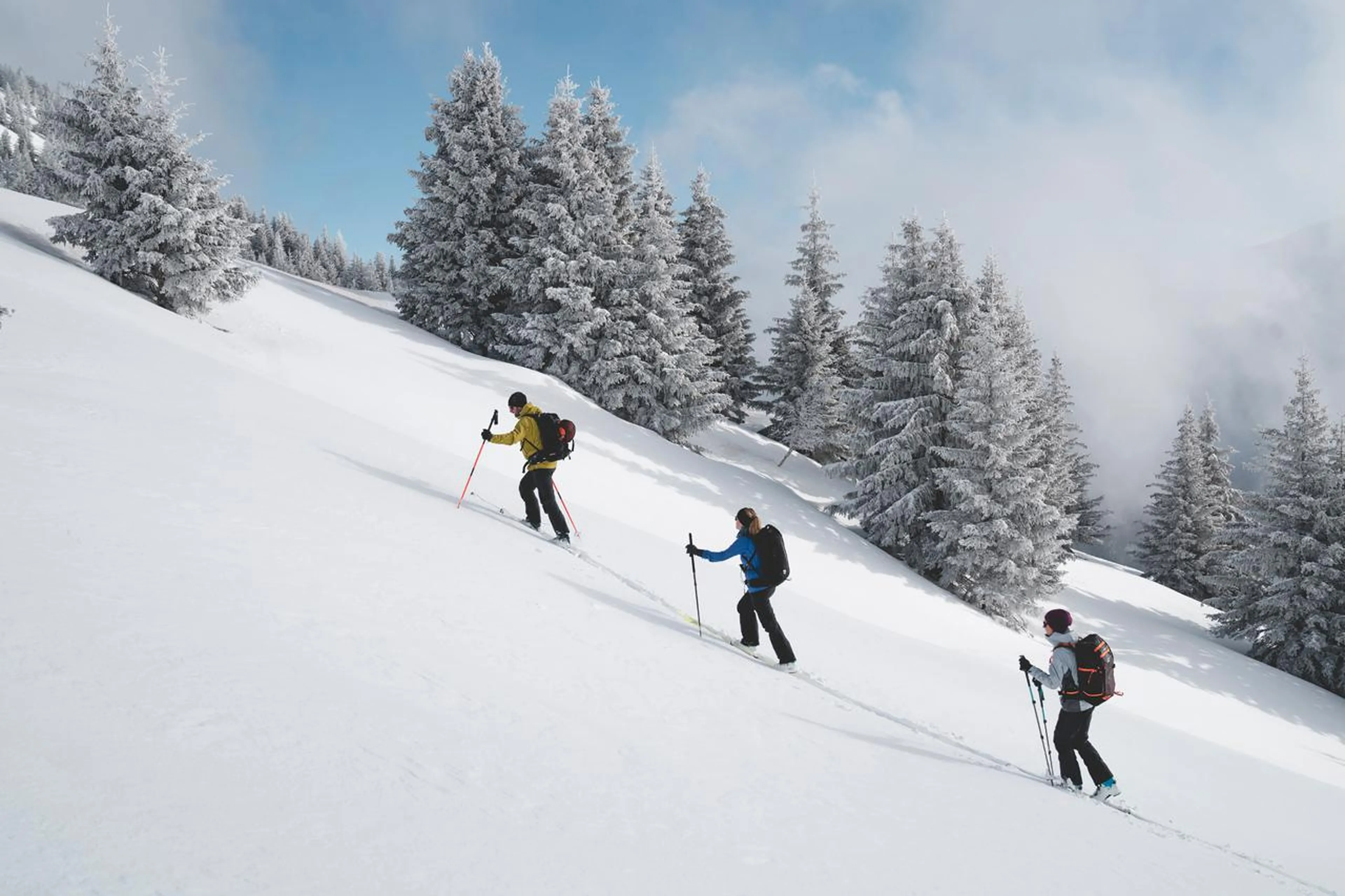
Skiing off-piste in Verbier
verbier.ch/Melody Sky

2. Never ski off-piste alone

If you're planning on spending the day exploring the backcountry of a resort, it is very important to ski in a group or with someone who is of a similar skill level to yourself. There is safety in numbers when skiing off-piste, as the areas you are skiing will not be patrolled. Plan a route suitable for your ability level and always let people know where you are planning to ski so that should you come into difficulty, the resort guides know where to look.

If you are wanting to explore the backcountry but are not confident on the layout of the resort or whether the weather conditions are suitable, off-piste lessons are available with a professional mountain guide or suitably qualified instructors. With extensive knowledge of the resort, they will be able to take you to the best spots and tell when the best time to ski them is.

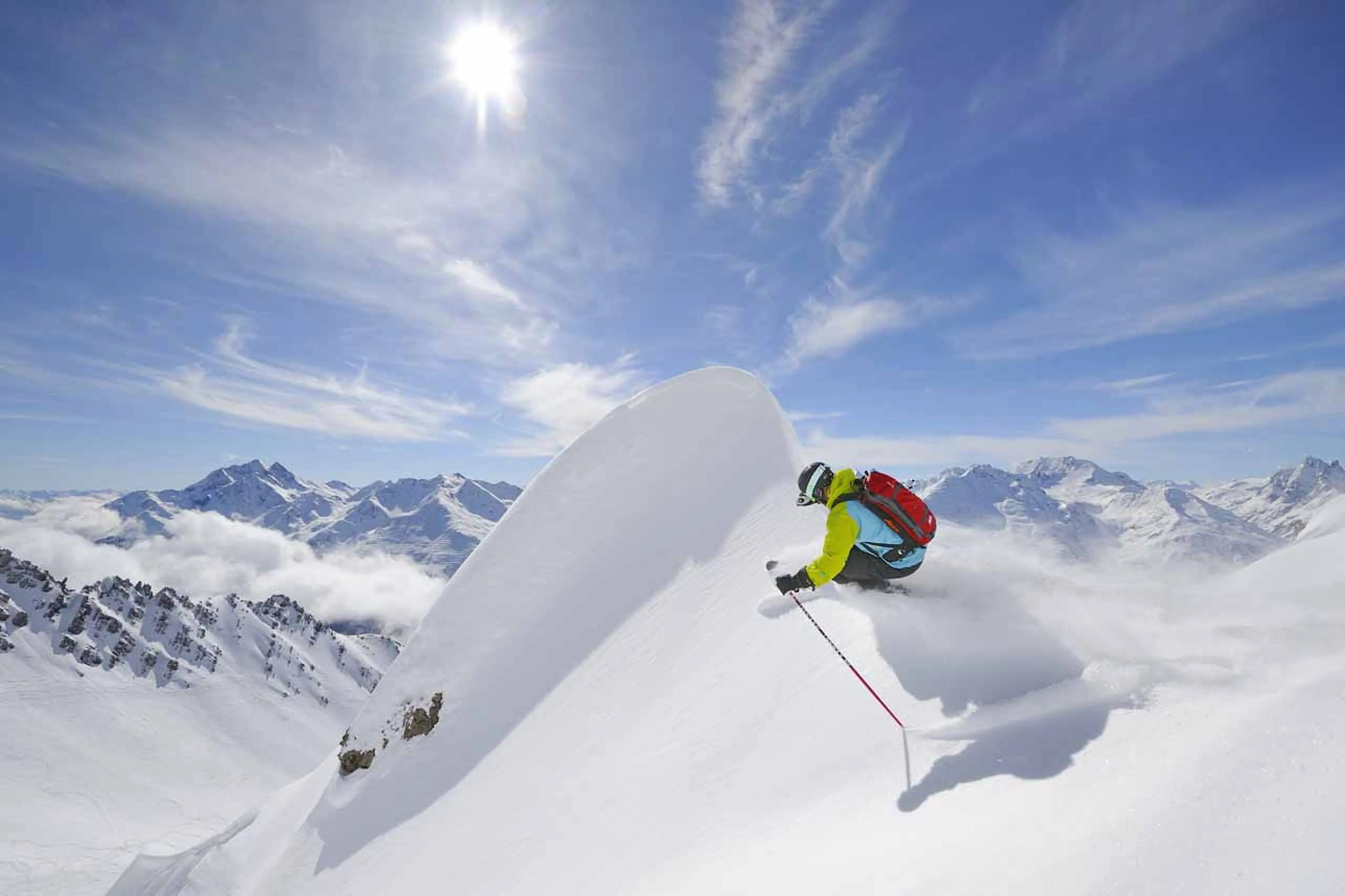
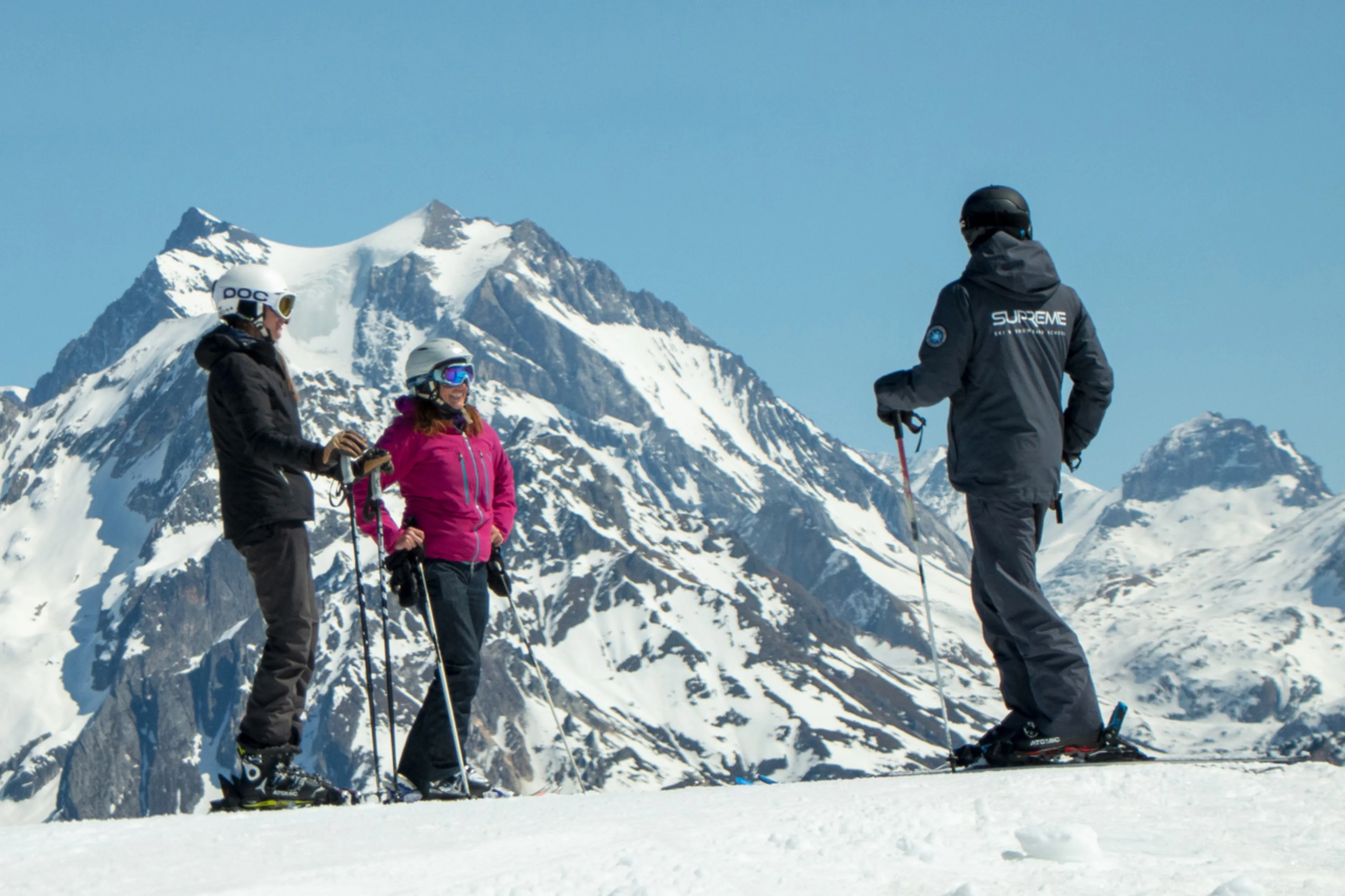
Off-piste skiing in St Anton
TVB St. Anton am Arlberg/ Josef Mallaun

3. Always review the snow conditions

Always make sure you check the snow conditions before setting out to explore the backcountry. There are five levels of avalanche danger to bear in mind when looking to uncover the Alps; these include low, moderate, considerable, high, and very high. Conditions can change throughout the day which is why it is so important to have the right avalanche equipment including a transceiver, probe and shovel.

Further weather conditions to consider when skiing off-piste are the wind, visibility and temperature. Ideally, you should be looking to set out on a day with high visibility and low winds.

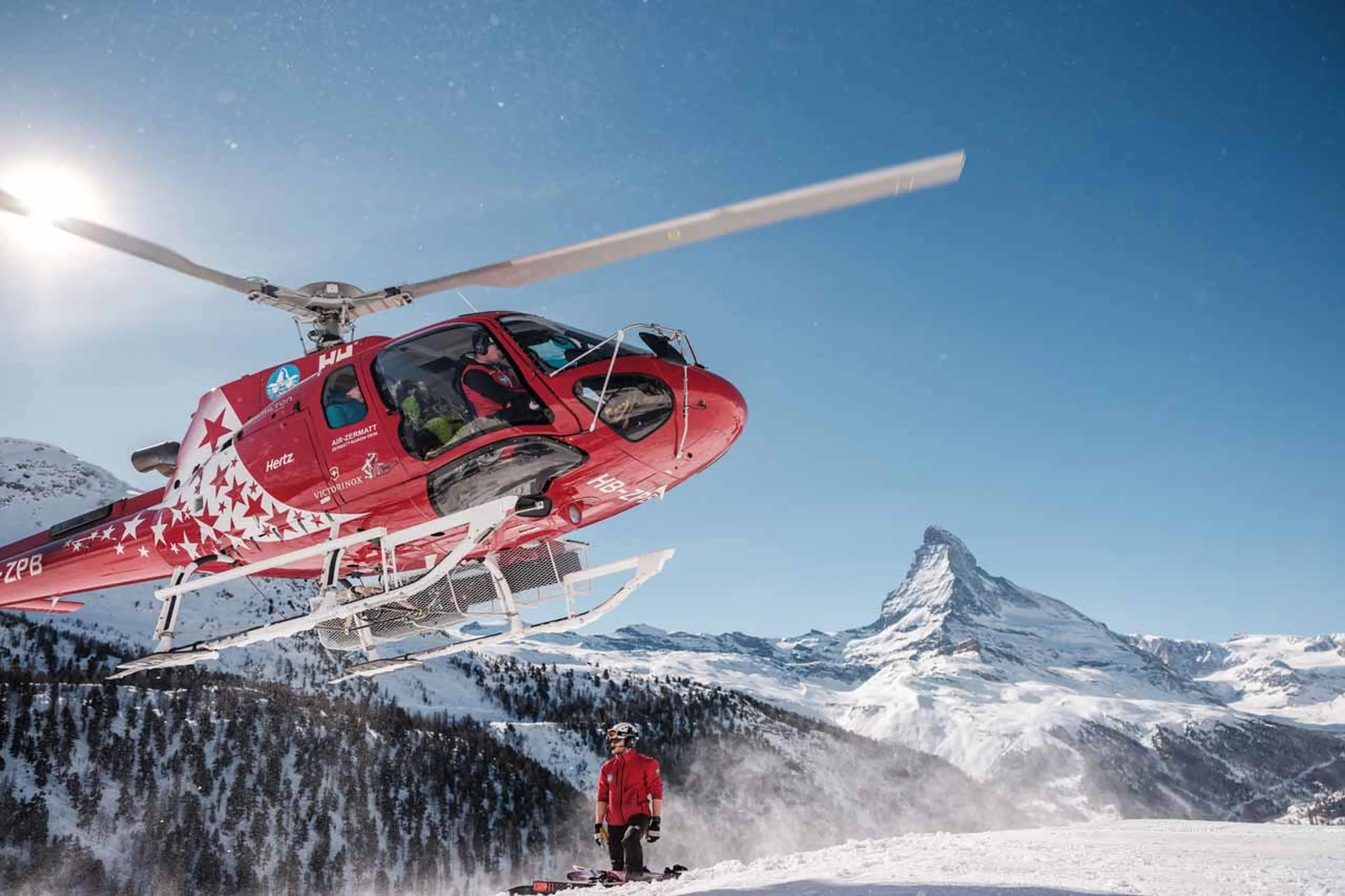
Heli-skiing in Zermatt
Pascal Gertschen

4. Make sure you have suitable equipment

As stated in the previous tip, off-piste skiers should always be equipped with an avalanche transceiver, probe, shovel. An avalanche transceiver should be worn by anyone skiing in the backcountry to help locate those buried in an avalanche.

Should a member of the group get buried in the snow, a shovel can be used to dig the person out based on the location given by the transceiver, using the probe to establish how deep the person is buried. Avalanche airbags are also worth considering; by pulling on the toggle of an avalanche airbag as the avalanche heads towards you, the bags will fill with air bringing you to the top of the surface and stop you from being buried.

For further safety tips, many ski resorts often put on avalanche talks and training sessions, ideal for skiers looking to explore the backcountry safely.
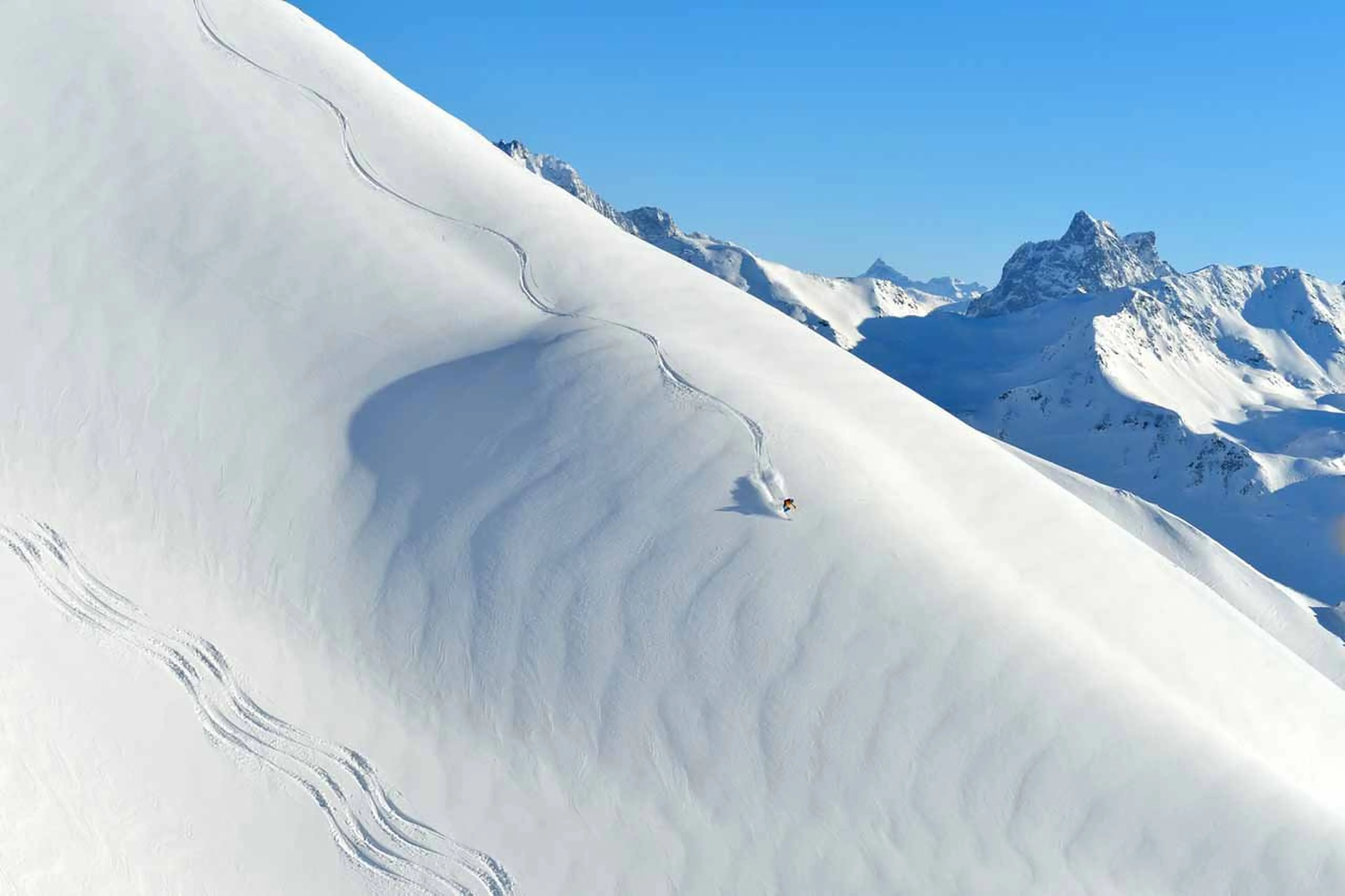

Freeriding in Lech
Sepp Mallaun/Lech Zuers Tourismus

5. Ensure you have the correct insurance

When choosing your winter sports insurance cover, make sure you choose one that includes off-piste skiing. While some companies will cover off-piste skiing, others will add an additional charge to cover backcountry skiing. Always check your insurance policy for a full definition of winter activities included in the policy.

Explore the backcountry from a luxury ski chalet.

Related Posts

Read all
Top tips for skiing off-piste in Verbier

Introduction to Skiing Off-Piste

Element Ski School in Verbier are renowned for their private off-piste lessons, with a team of experienced off-piste coaches who know the resort inside-out. They have therefore provided us with a few important tips to help maximise your experience in the backcountry, ensuring you have one of the best days on the mountain.

Read more
Serena Norton

Serena Norton

Guide to Ski Lessons

The Ultimate Guide to Ski Lessons

Discover everything you need to know about ski lessons, from beginner basics to expert coaching. Find the right ski school, compare lesson types and book tailored tuition with Leo Trippi.

Read more
Alicia Bryan

Alicia Bryan

Our Newsletter

Sign up to our newsletter for inspiration, exclusive offers and advice from our award winning team

This site is protected by reCAPTCHA and the Google Privacy Policy and Terms of Service apply.

Let's confirm you are human